Notes on building scalable systems
Pragmatic, opinionated writing on SaaS architecture, backend systems, auth, and AI.
 ·11 min read·
- #saas
- #mvp-development
- #software-architecture
- #startup-development
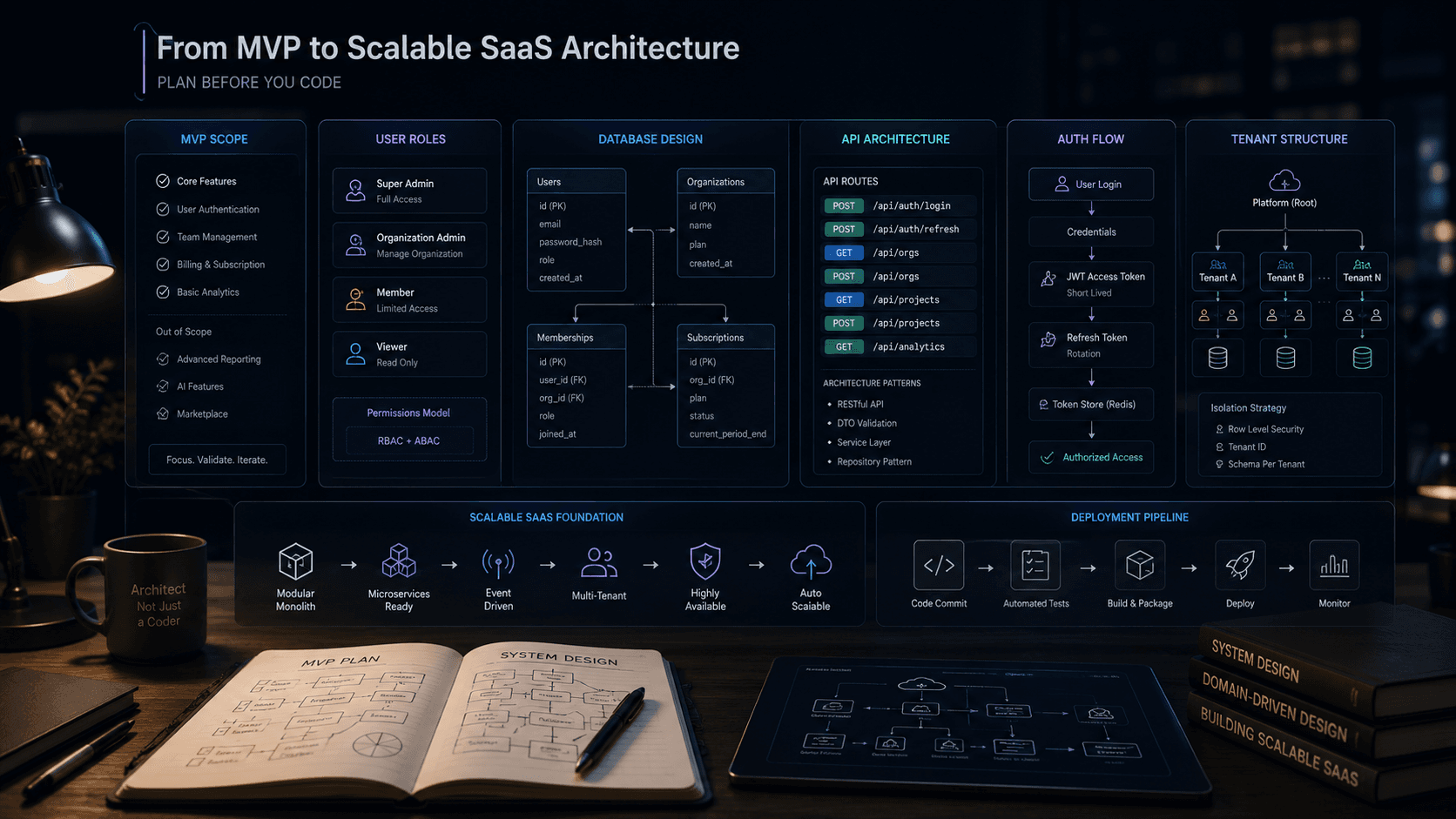
From MVP to Scalable SaaS: What I Plan Before Writing Code
Building a SaaS product is not only about writing code quickly. Before development starts, the right planning around users, roles, database design, architecture, security, scalability, and future features can save months of rework later.
 ·8 min read·
- #software-development
- #saas
- #project-planning
- #technical-debt
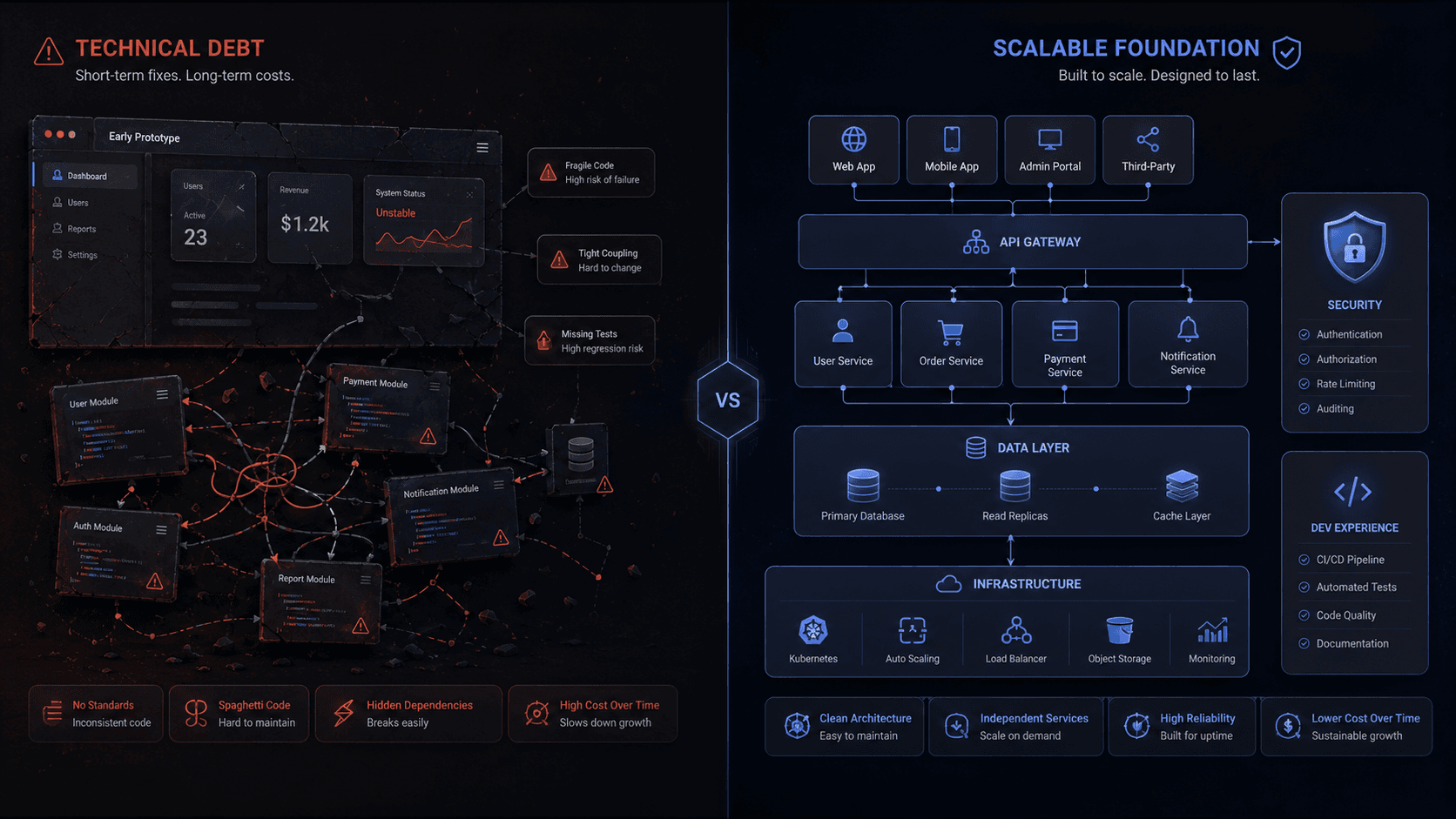
Why Cheap Software Development Becomes Expensive Later
Cheap software development looks attractive in the beginning, but it often creates hidden costs through poor architecture, weak planning, technical debt, security gaps, and expensive rebuilds later. This article explains why serious software products need the right foundation from day one.
 ·12 min read·
- #mvp-planning
- #scalable-software
- #enterprise-software
- #product-architecture
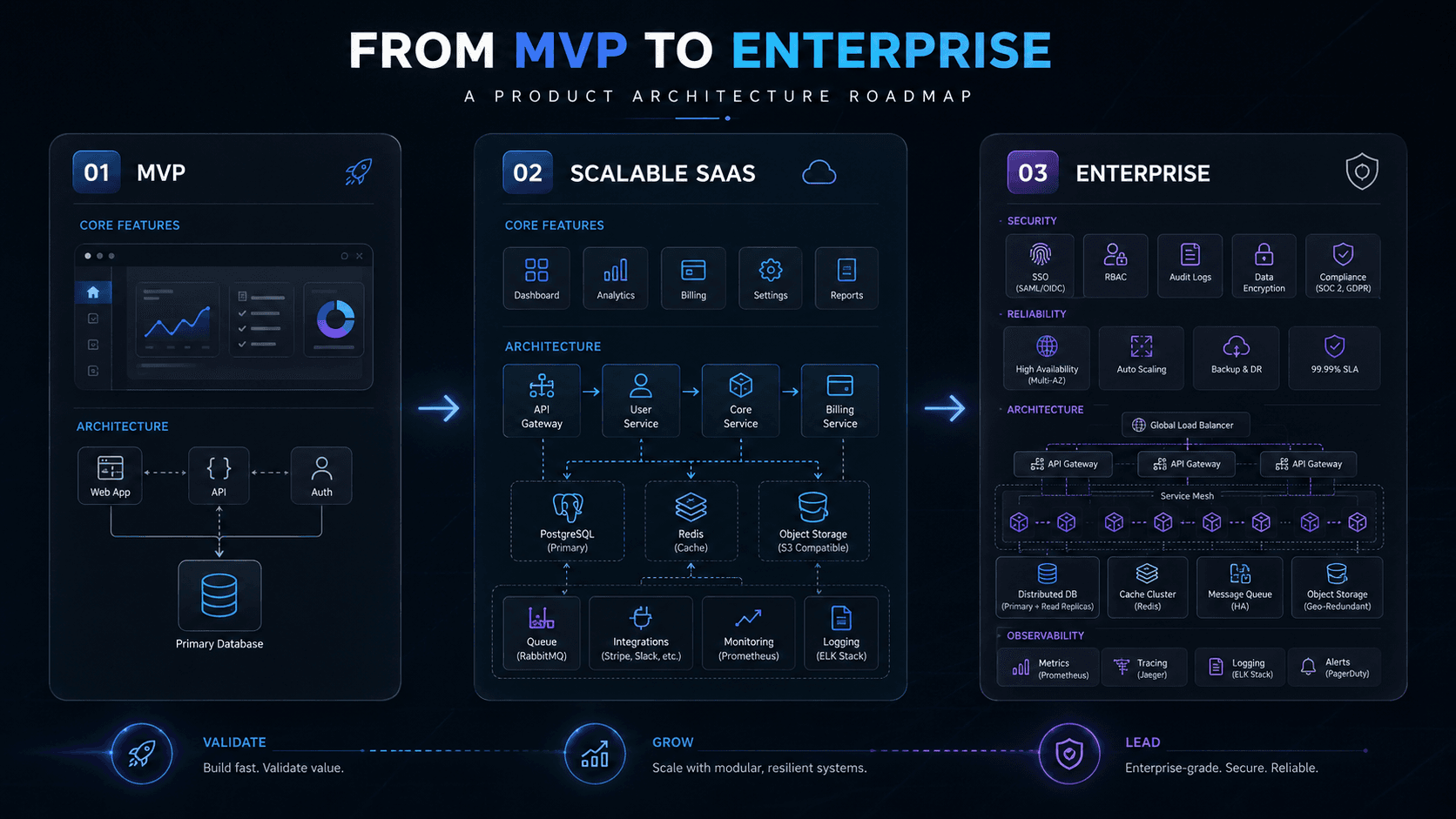
How to Plan MVP, Scalable, and Enterprise Versions of a Product
The same product idea can be built in different ways: MVP, scalable, or enterprise-grade. Each version has a different scope, architecture, timeline, budget, and risk level. This article explains how to plan the right version based on business goals, product stage, and future growth.
 ·12 min read·
- #software-project-planning
- #client-guide
- #software-development
- #mvp-planning
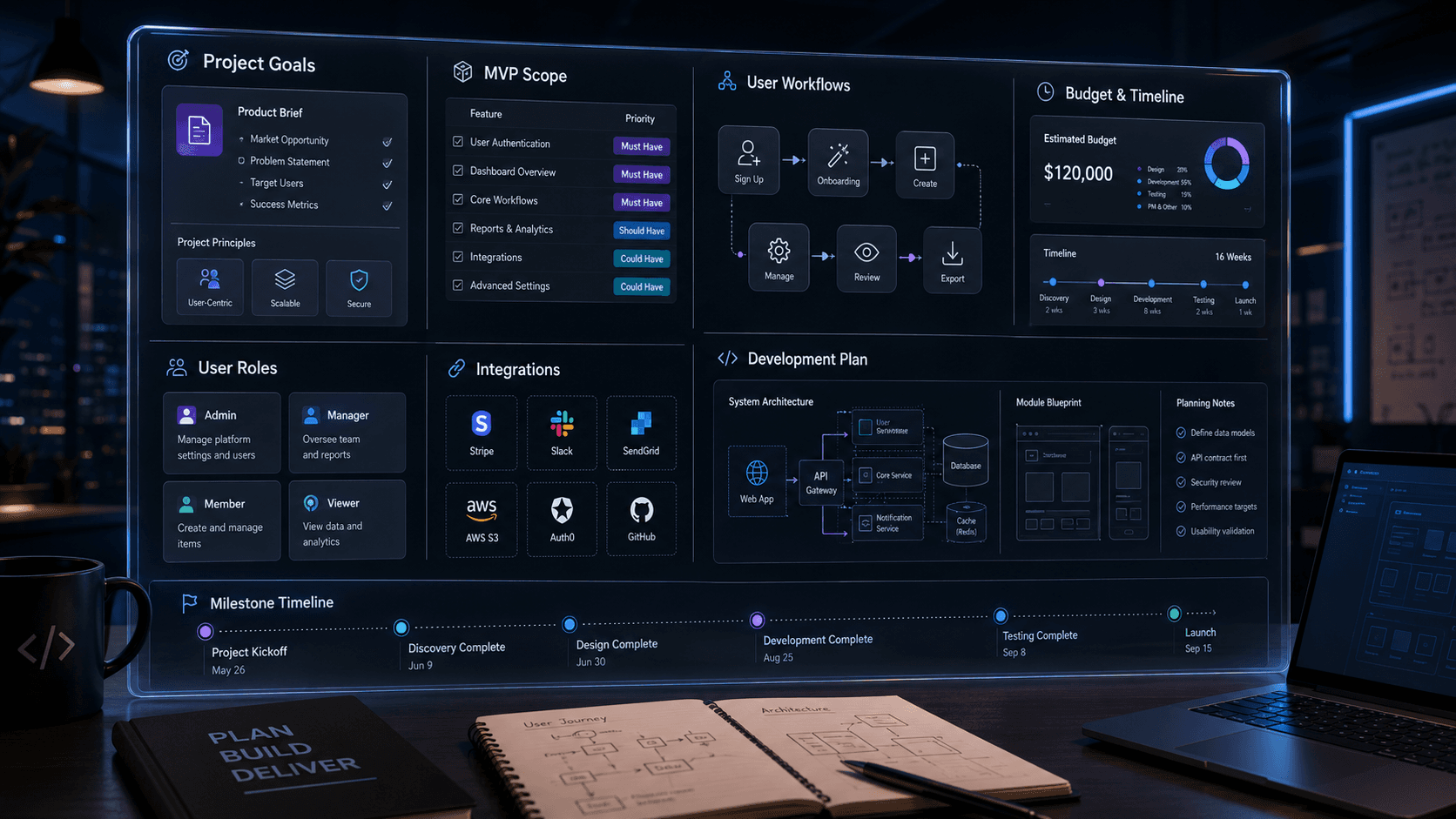
What Clients Should Prepare Before Starting a Software Project
A successful software project does not start with coding. It starts with clarity. Before hiring a developer or software team, clients should prepare their business goals, core features, user roles, workflows, budget range, timeline, references, integrations, and future product vision.
 ·9 min read·
- #jwt
- #sessions
- #redis
- #token-versioning
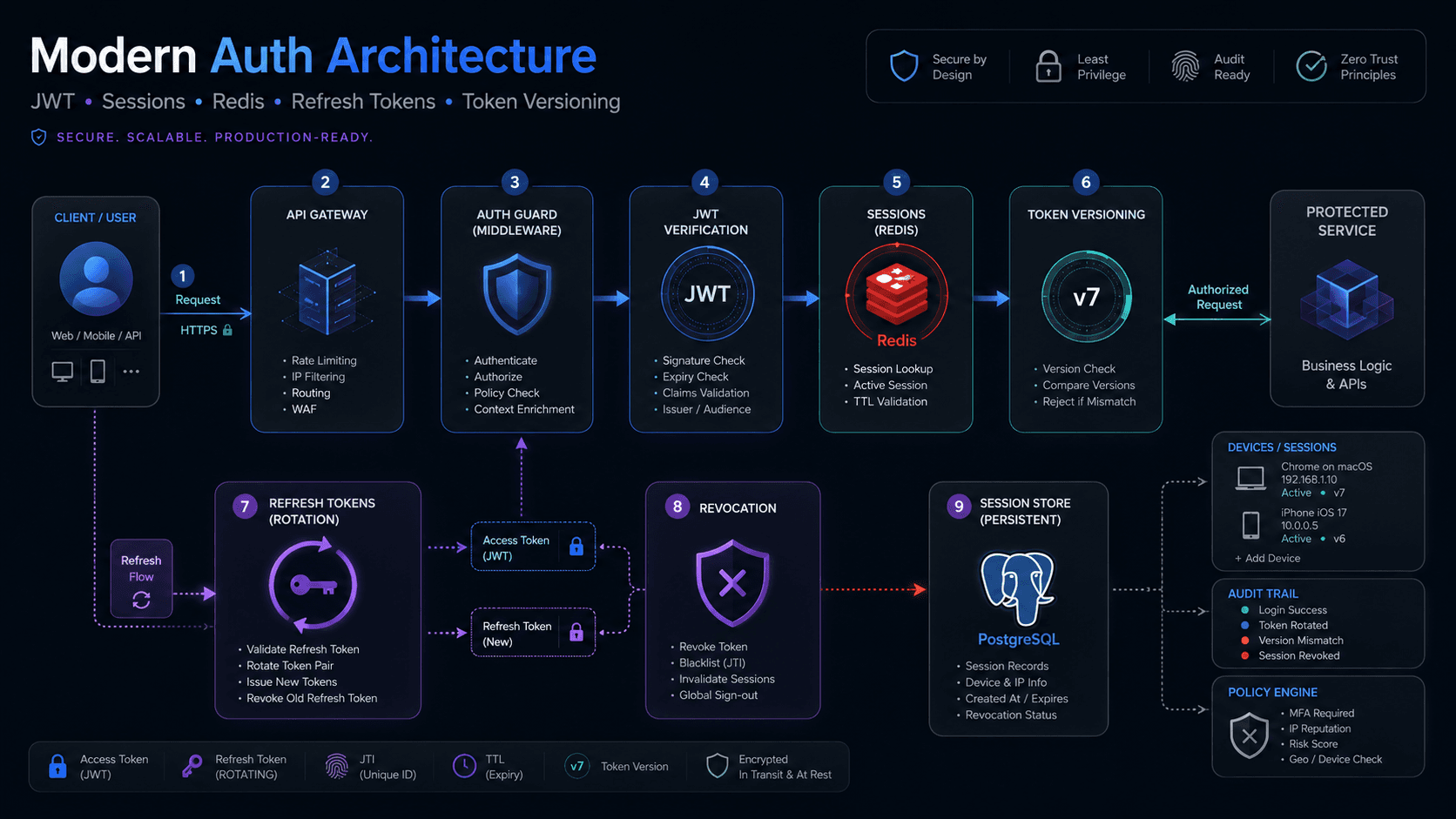
JWT, Sessions, Redis, and Token Versioning in Production SaaS Systems
JWT authentication looks simple in tutorials, but production SaaS systems need more than token generation. This article explains how JWTs, sessions, Redis, refresh tokens, and token versioning work together to support secure, scalable, and revocable authentication.
 ·8 min read·
- #bullmq
- #redis
- #queue-based-architecture
- #background-jobs
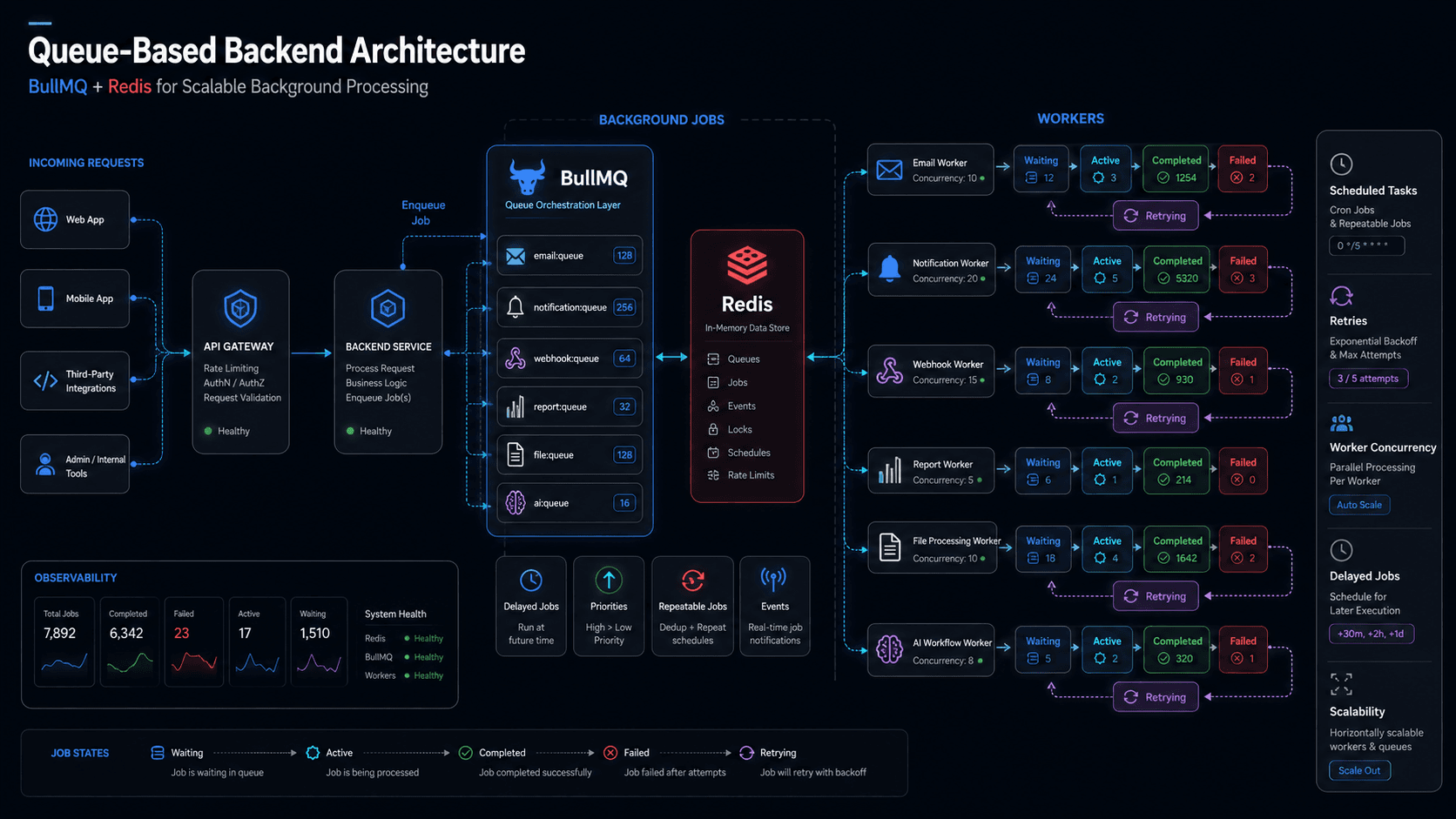
Queue-Based Architecture: When to Use BullMQ and Redis
Queues are one of the most practical ways to make backend systems faster, more reliable, and easier to scale. This article explains when to use BullMQ and Redis for background jobs, async processing, retries, scheduled tasks, and production SaaS workflows.
 ·13 min read·
- #project-structure
- #design-patterns
- #software-architecture
- #scalable-software
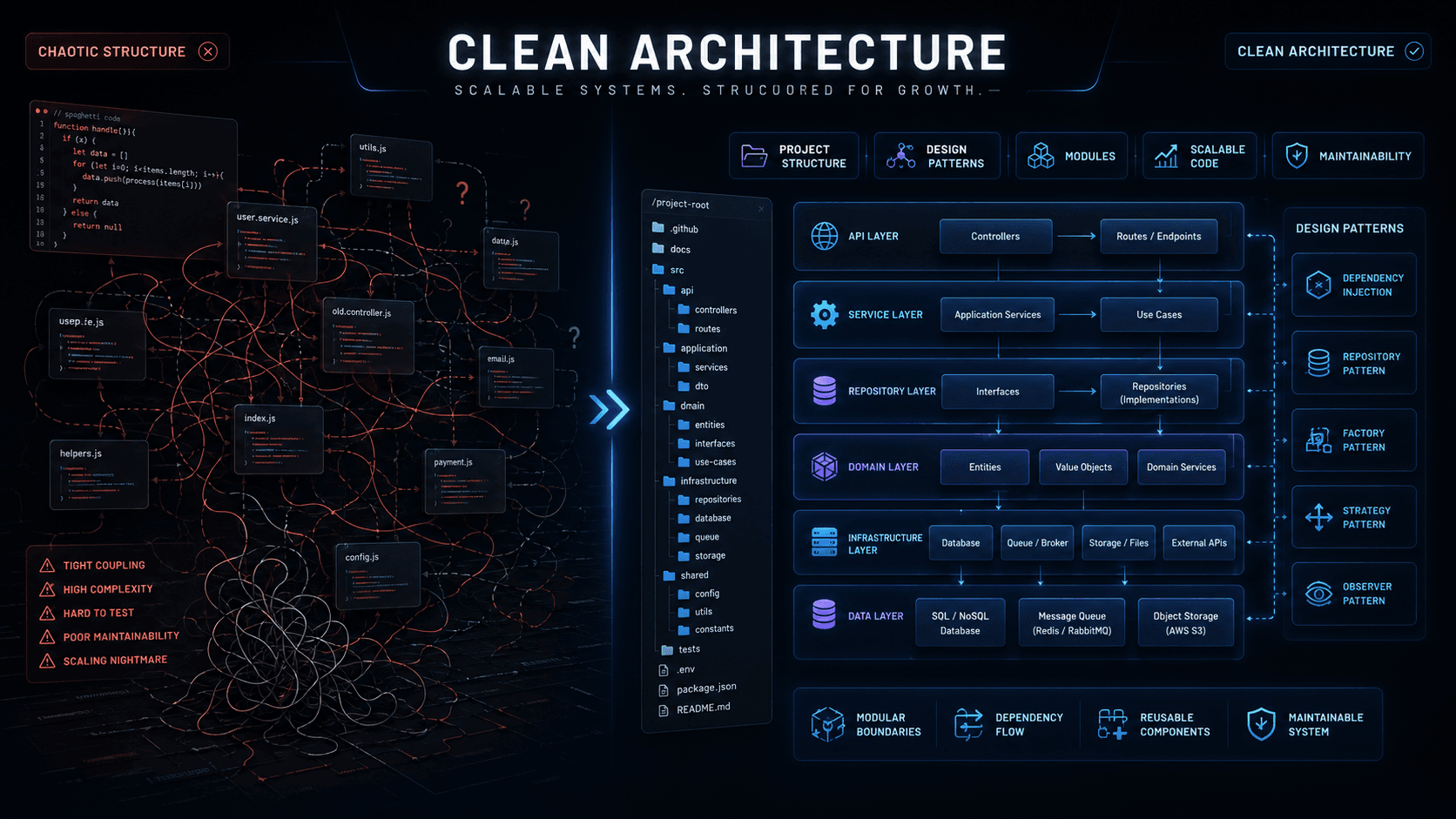
Why Project Structure and Design Patterns Matter in Scalable Software
Scalable software is not only about servers, databases, or cloud infrastructure. It also depends on how the codebase is structured. A clean project structure and the right design patterns make software easier to maintain, extend, test, debug, and scale as the product and team grow.